Professional commercial display solution provider

OLED and LCD Display Technologies in Portable High-Resolution Computing Systems
OLED and LCD Display Technologies in Portable High-Resolution Computing Systems
As portable computing devices continue to evolve, display technology selection has a direct impact on system performance, power efficiency, and user experience. Notebook PCs, tablet PCs, and portable workstations rely on displays not only as output devices but as core system components that interact closely with power management, thermal control, and graphics subsystems. Among the most commonly used technologies in these platforms are OLED and LCD displays, each with distinct characteristics and integration requirements.
This article provides a technical comparison of OLED and LCD display technologies in the context of high-resolution portable computing systems, focusing on performance, system integration, and long-term reliability considerations.
Fundamental Differences Between OLED and LCD Technologies
The primary distinction between OLED and LCD displays lies in how light is generated. LCD panels rely on a backlight unit, typically LED-based, that illuminates liquid crystal layers to form images. In contrast, OLED panels are self-emissive, meaning each pixel emits light independently.
This structural difference influences contrast, response time, thickness, and power behavior. In portable devices where space and energy efficiency are critical, these differences directly affect system design decisions.
A 15.6-inch Full HD OLED display module provides a practical reference point for understanding these distinctions in real-world notebook and tablet applications. Technical specifications and interface details can be reviewed on the 15.6-inch FHD OLED display module page.
Visual Performance and Image Characteristics
Contrast and Black Levels
OLED displays can achieve near-infinite contrast ratios because individual pixels can be completely turned off. This results in true black levels and improved image depth, especially in dark scenes or user interfaces with high contrast elements. LCD displays, even with advanced local dimming, typically exhibit residual light leakage from the backlight.
Color Accuracy and Gamut
OLED panels commonly support wide color gamuts such as DCI-P3, which is beneficial for professional applications including content creation and visualization. LCD panels may also support wide color gamuts, but achieving comparable performance often requires more complex backlight and filter systems.
Response Time
OLED technology offers significantly faster pixel response times compared with LCD. This characteristic reduces motion blur and ghosting, which can be noticeable in fast-moving content or interactive applications on notebooks and portable workstations.
Power Consumption Behavior
Power efficiency is a key consideration in battery-powered devices. LCD displays consume relatively constant power due to continuous backlight operation, regardless of displayed content. OLED displays, on the other hand, exhibit content-dependent power consumption because only active pixels draw power.
In notebook and tablet systems that frequently display darker user interfaces or mixed-content workloads, OLED displays may offer improved power efficiency. However, sustained high-brightness usage can increase OLED power consumption, requiring careful system-level power management.
System designers evaluating power behavior in notebook platforms can reference Notebook PC display integration references to better understand power sequencing and operating conditions.
Mechanical and Structural Implications
OLED panels are generally thinner and lighter than LCD modules due to the absence of a backlight unit. This enables slimmer device profiles and can reduce overall system weight, an advantage for tablets and ultraportable notebooks.
However, OLED panels may be more sensitive to mechanical stress. Uniform support, controlled mounting pressure, and careful handling during assembly are essential to prevent deformation or mura effects. LCD panels, while thicker, often have more rigid structures due to the backlight assembly.
For portable workstations that undergo frequent transport or vibration, both technologies require appropriate mechanical reinforcement, but OLED integration typically demands tighter mechanical tolerances.
Thermal Characteristics and Heat Distribution
Thermal behavior differs between OLED and LCD displays. LCD backlights generate consistent heat during operation, while OLED panels generate heat at the pixel level depending on content brightness.
In compact tablet designs, OLED displays can reduce localized heat from backlights, but overall system thermal management must account for variable heat distribution across the panel. Proper thermal isolation from CPUs and GPUs is critical in both display technologies.
Reliability and Aging Considerations
Long-term reliability is a key factor in professional computing devices. LCD panels may experience backlight degradation over time, leading to reduced brightness uniformity. OLED panels, in contrast, are subject to pixel aging, which can vary depending on usage patterns.
Modern OLED displays incorporate compensation algorithms and design strategies to mitigate uneven aging. Nevertheless, system-level validation is recommended, especially for applications involving static user interface elements or extended operating hours.
Integration guidelines and validation considerations are discussed further in the tablet PC OLED integration reference.
Application-Specific Technology Selection
Notebook PCs
OLED displays are often selected for notebooks prioritizing contrast, color accuracy, and fast response. LCDs may still be preferred in cost-sensitive or high-brightness outdoor-focused designs.
Tablet PCs
Tablets benefit from OLED’s thin profile and high visual quality, while LCDs may be chosen for durability and consistent power usage.
Portable Workstations
Portable workstations require stable long-term performance. Both OLED and LCD can be suitable, depending on workload characteristics and system thermal design.
Other High-Resolution Computing Devices
Custom or embedded computing platforms may choose either technology based on environmental constraints, power availability, and display usage patterns. For non-standard applications, system-level verification is recommended.
Conclusion
OLED and LCD display technologies each offer distinct advantages and trade-offs in portable high-resolution computing systems. OLED displays provide superior contrast, fast response times, and thin form factors, while LCD displays offer predictable power behavior and established long-term reliability characteristics.
In notebook PCs, tablet PCs, portable workstations, and other high-resolution computing devices, the choice between OLED and LCD should be guided by system architecture, usage patterns, thermal design, and validation requirements. A thorough system-level evaluation ensures that the selected display technology aligns with both performance expectations and long-term operational stability.
Recommended reading
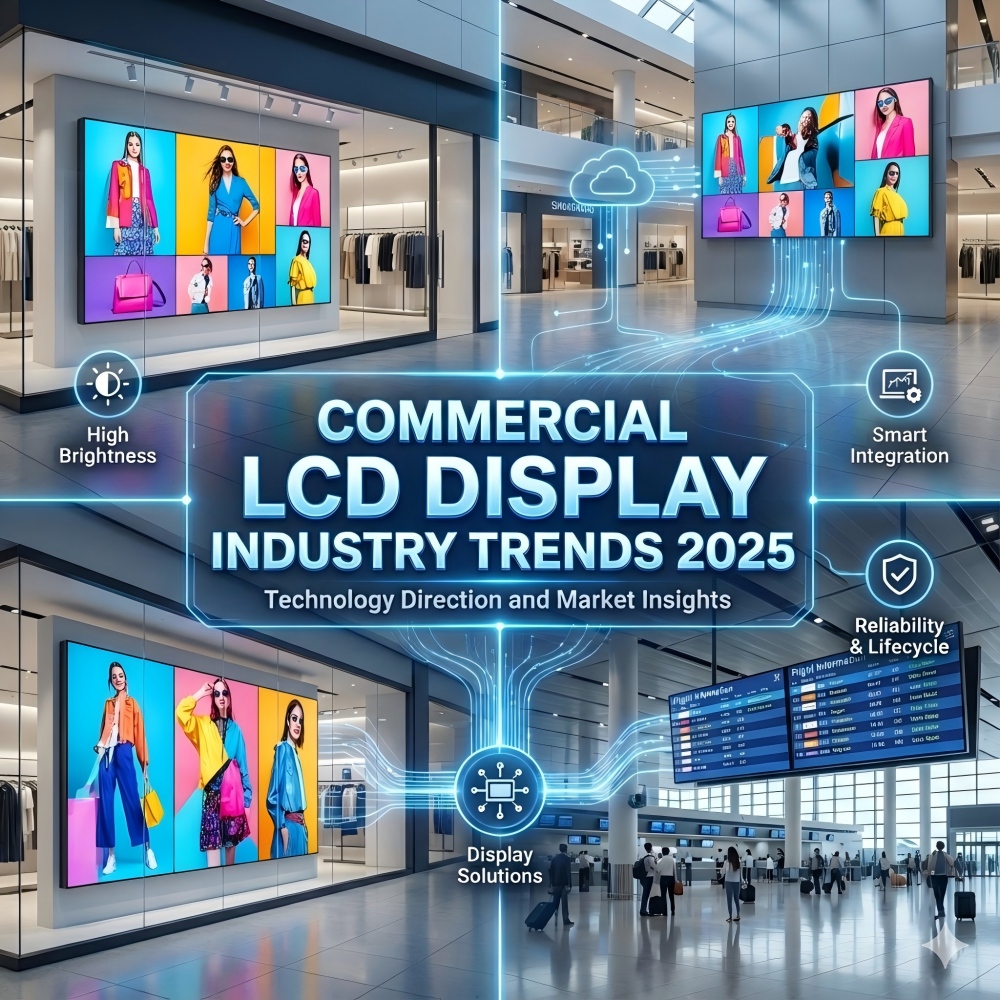 2025-12-29Commercial LCD Display Industry Trends and Market Insights for 2026
 2025-12-23Why Custom Commercial Displays Are Becoming Standard in Modern Systems
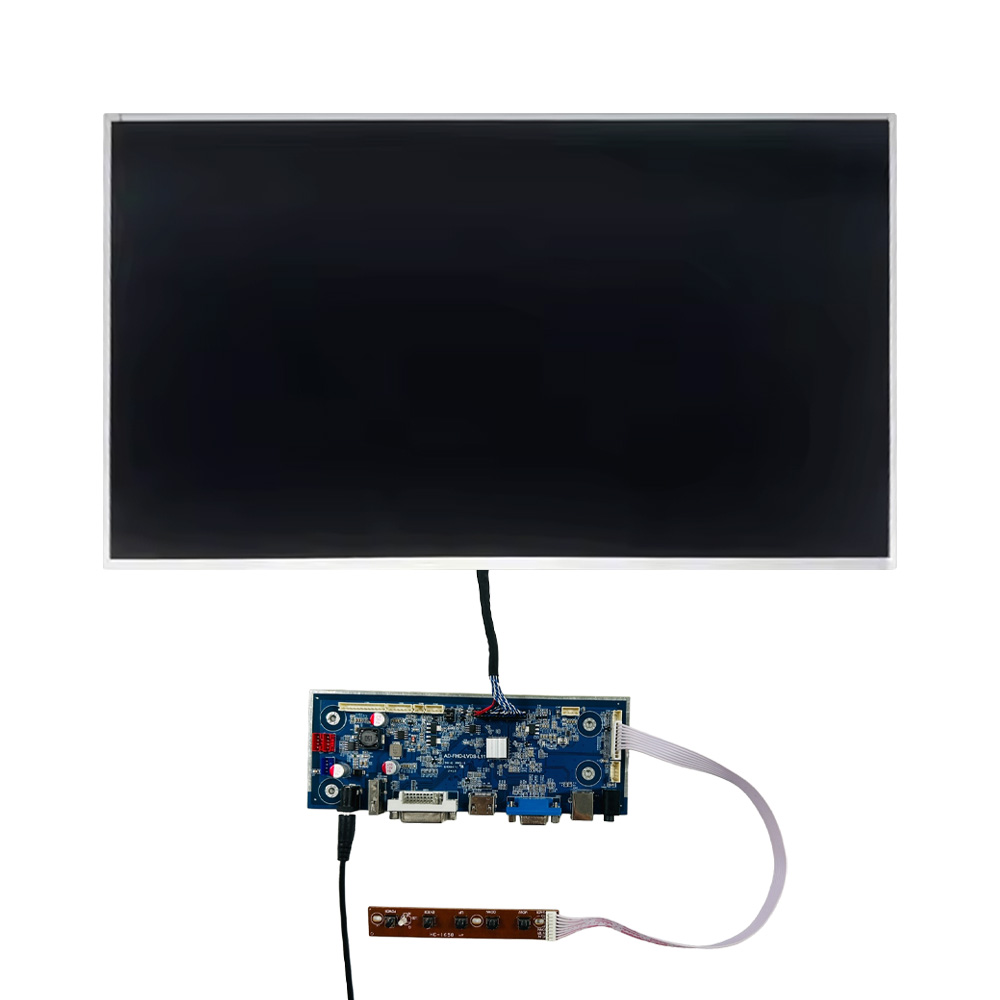 2025-12-17Advancing Outdoor Visual Systems with High-Brightness, Wide-Temperature LCD Technology
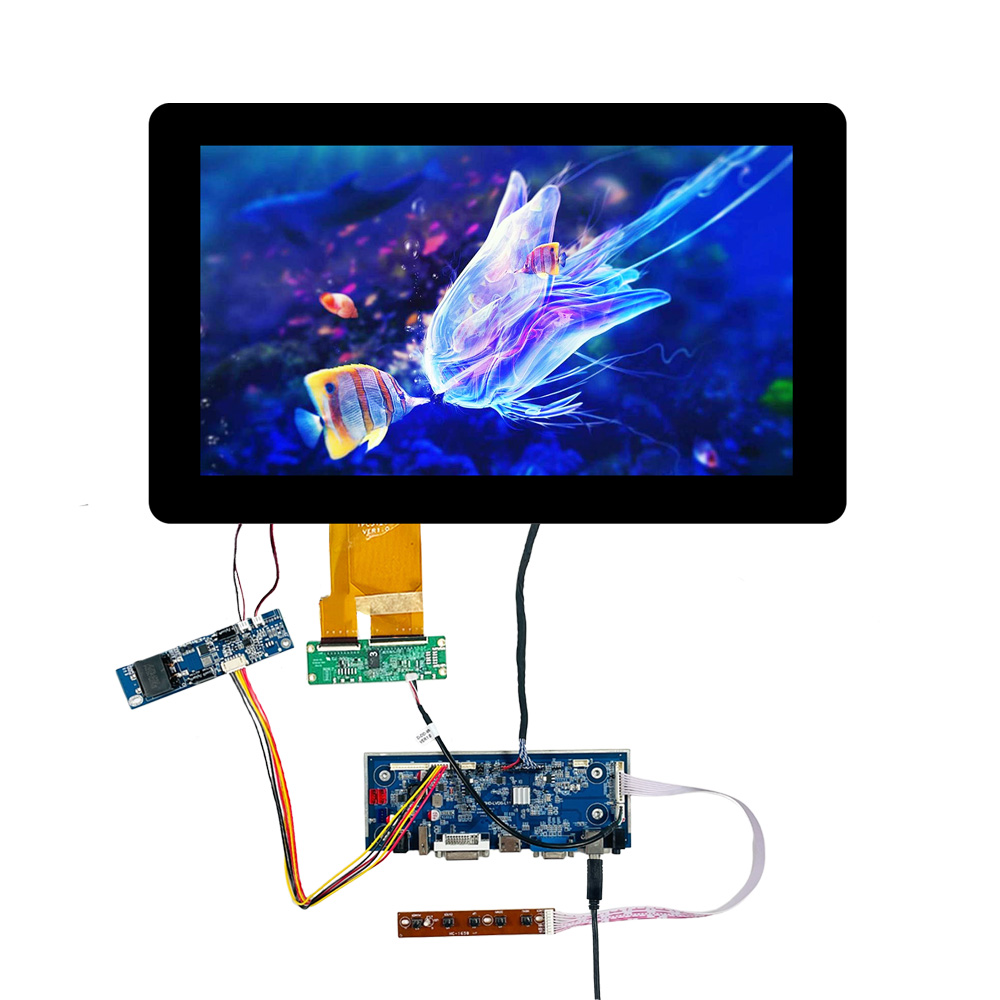 2025-12-10Outdoor Commercial LCD Modules for Wide Temperature High-Brightness Advertising Displays
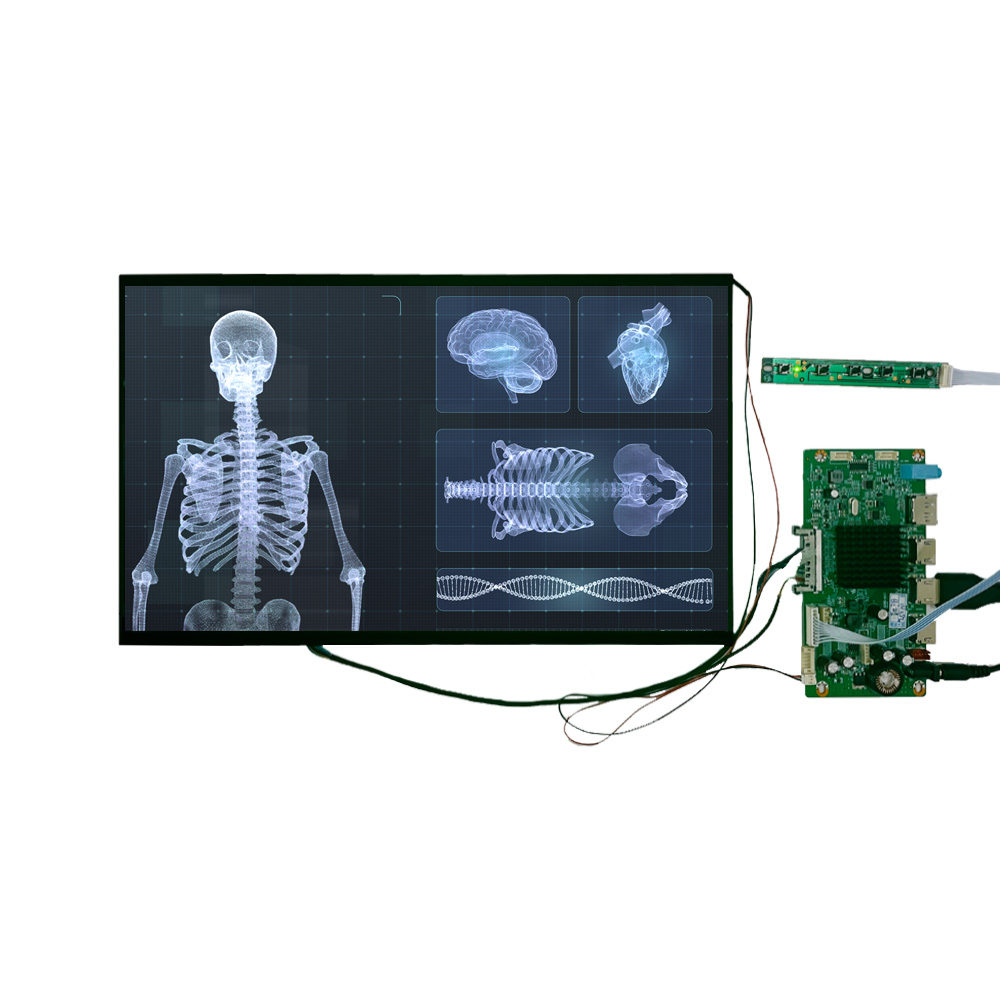 2025-12-0215,6-Zoll 4K Medical Display Module für hochpräzise diagnostische Bildgebung


Products
Commercial LCD Display
Gaming LCD Module
High Resolution Medical Display
Outdoor Display
E-ink LCD Display
Desk VR Monitor
OLED Display
Total Solutions
Service
Custom Touch Screen Solutions
Customized Frames & Protective Cover Glass
LCD Driver Board & Accessory Customization
Contact us
Contact Us
Copyright © 2025 Shenzhen Aptus Technology Co.,Ltd All Rights Reserved.

-
Inquire
- Top