Professional commercial display solution provider

OLED Technology Pushes UHD Displays into Next-Generation Professional Applications
The display industry is undergoing a transformative era, driven by the demand for ultra-high-definition (UHD) visual experiences and the rapid adoption of OLED technology. OLED (Organic Light Emitting Diode) panels are no longer confined to entertainment devices—they are reshaping professional computing, high-end notebooks, and portable workstations, offering unparalleled image quality and responsiveness.
Recent developments highlight a trend toward high-resolution 15.6-inch UHD OLED displays, such as the 15.6-inch 3840×2160 OLED display module. These modules combine true blacks, high dynamic contrast, and wide color gamut, delivering vibrant visuals that meet the stringent requirements of creative professionals and demanding business applications. Industry analysts note that this convergence of color accuracy, brightness, and responsiveness is driving the replacement of traditional LCD panels in premium devices.
OLED’s Edge in Professional Visual Applications
Unlike conventional LCDs that rely on backlighting, OLED technology enables self-emissive pixels, providing high contrast ratios and precise color representation. In professional environments, this translates into clearer HDR content, more accurate color gradients, and smoother transitions in high-speed visuals. For instance, modules with 3840×2160 resolution are capable of displaying intricate designs, high-resolution video, and complex graphical content with remarkable fidelity.
The fast 1ms response time of modern OLED panels ensures that motion blur is virtually eliminated, a significant advantage for applications involving video editing, multimedia rendering, and interactive graphical interfaces. Combined with high brightness levels and wide viewing angles, these displays maintain image integrity in various lighting conditions, making them ideal for collaborative environments or mobile setups.
The industry has seen growing adoption of high-resolution 15.6-inch OLED modules in premium notebooks and portable workstations, where performance and visual fidelity are critical. As users increasingly demand accurate colors for media creation, design, and simulation tasks, OLED panels offer a compelling alternative to traditional LCD technology.
Driving Innovation in High-End Computing Devices
UHD OLED displays are influencing design choices in high-end computing. Their thin form factor allows manufacturers to develop slimmer, lighter devices without sacrificing visual performance. Modules measuring approximately 2.65mm in thickness are being integrated into advanced notebooks and portable workstations, facilitating enhanced portability alongside superior display quality.
This shift is particularly significant for industries such as graphic design, digital media production, and engineering visualization, where clarity and precision are non-negotiable. Professionals can benefit from high brightness levels, accurate color reproduction, and minimal lag, ensuring that design work, simulations, and multimedia content are presented exactly as intended.
In addition, OLED panels are increasingly paired with eDP high-bandwidth interfaces, supporting 4K resolution at 60Hz. This compatibility ensures smooth data transmission and reliable performance, even when handling UHD content with complex color grading or dynamic imagery.
Market Trends and Industry Adoption
According to market research, the adoption of OLED in professional displays is expected to grow steadily. Factors driving this growth include:
-
Demand for High-Fidelity Visuals: Professionals across creative and technical fields require displays capable of accurate color reproduction and HDR support.
-
Portability and Design Efficiency: Thinner and lighter panels allow device manufacturers to create compact, mobile solutions without compromising image quality.
-
Enhanced User Experience: Fast response times and high contrast improve the overall visual experience, especially in collaborative or presentation-focused settings.
The proliferation of UHD OLED modules also signals a broader trend toward premium display solutions in computing and professional equipment. Devices featuring UHD OLED technology are now preferred for workflows demanding the highest levels of visual accuracy, from photo and video editing to CAD modeling and immersive media applications.
Future Outlook for OLED in Professional Displays
Looking ahead, the integration of high-resolution OLED panels is expected to expand beyond traditional notebooks and workstations into next-generation portable devices and specialized professional displays. With continuous improvements in color fidelity, energy efficiency, and durability, OLED technology is set to redefine expectations for professional visual experiences.
The industry focus is increasingly on enabling creative and technical professionals to work more effectively with UHD content. By combining true blacks, wide color gamut coverage, and responsive performance, OLED modules are not only enhancing the visual experience but also supporting accurate analysis and decision-making in fields that rely heavily on precise imaging.
In summary, 15.6-inch 3840×2160 UHD OLED displays exemplify the convergence of innovation, performance, and professional-grade visual quality. Their adoption is reshaping the landscape of high-end computing, offering devices that are not only visually stunning but also technologically capable of handling the most demanding content creation and professional workflows.
Recommended reading
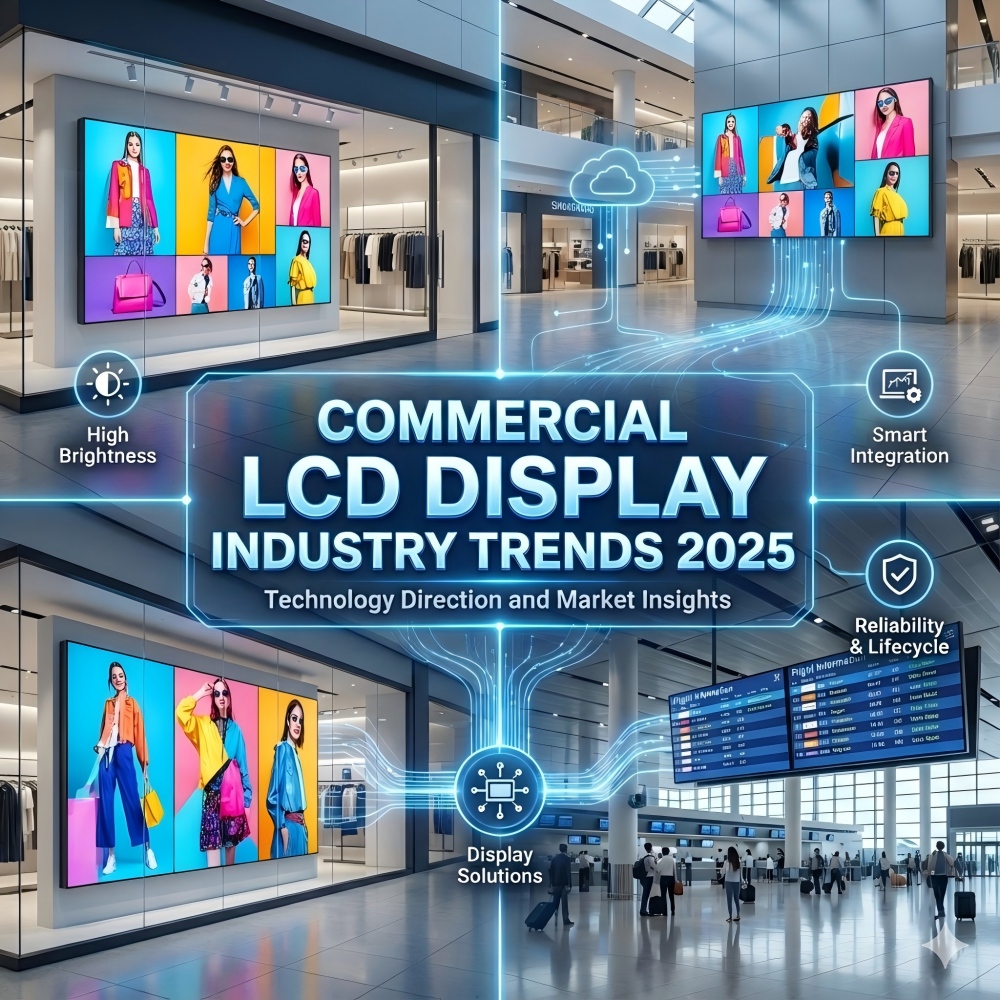 2025-12-29Commercial LCD Display Industry Trends and Market Insights for 2026
 2025-12-23Why Custom Commercial Displays Are Becoming Standard in Modern Systems
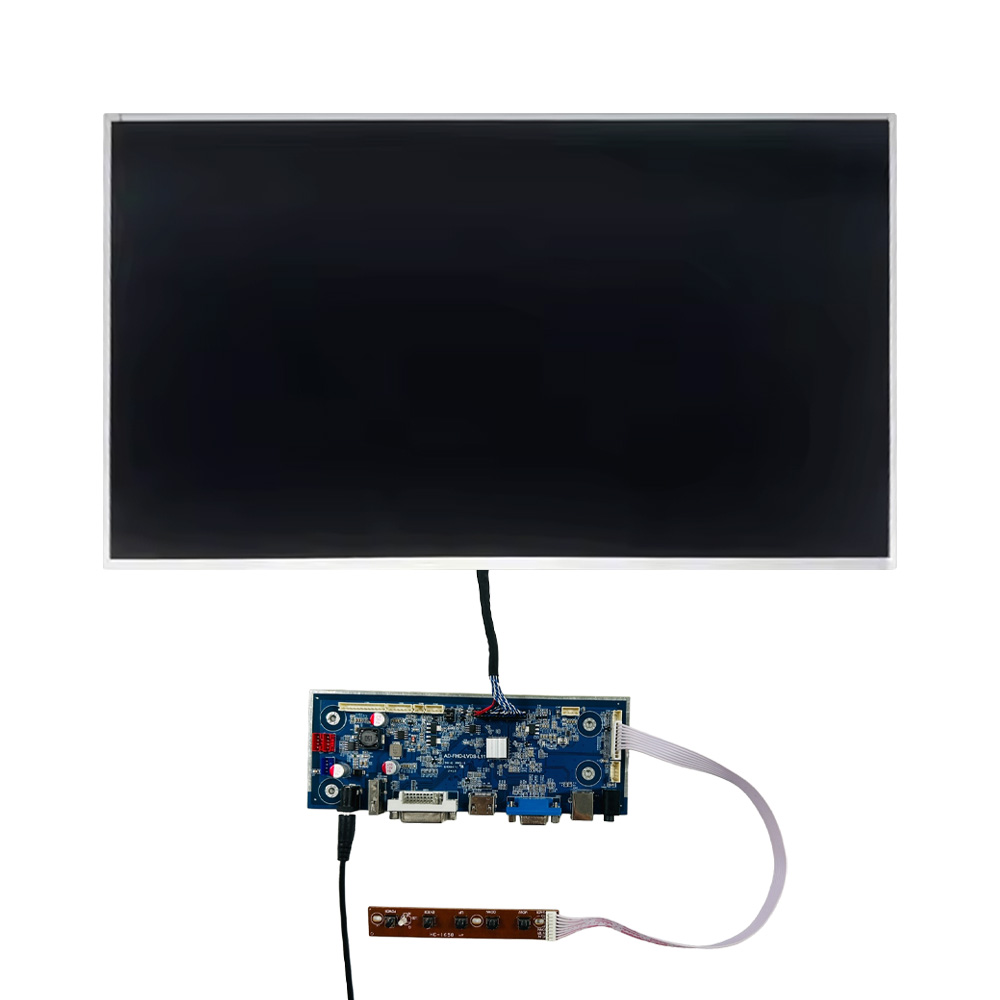 2025-12-17Advancing Outdoor Visual Systems with High-Brightness, Wide-Temperature LCD Technology
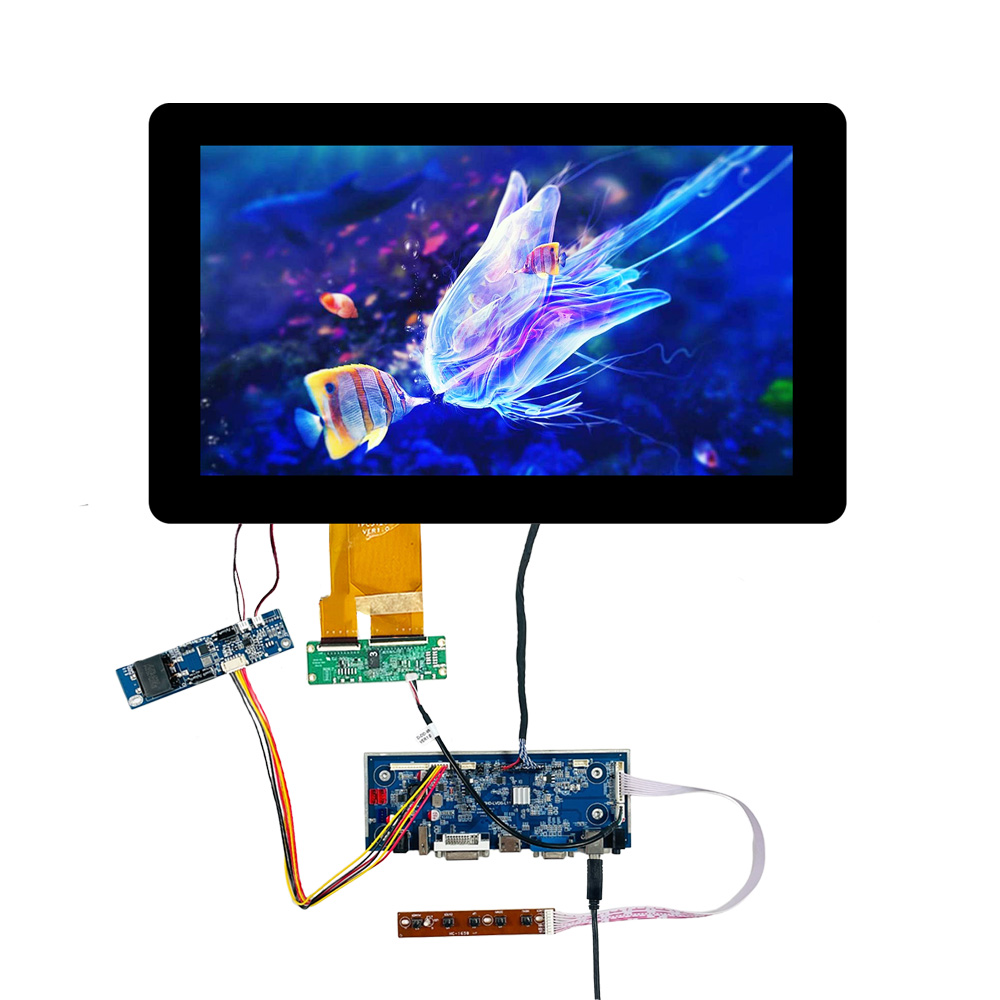 2025-12-10Outdoor Commercial LCD Modules for Wide Temperature High-Brightness Advertising Displays
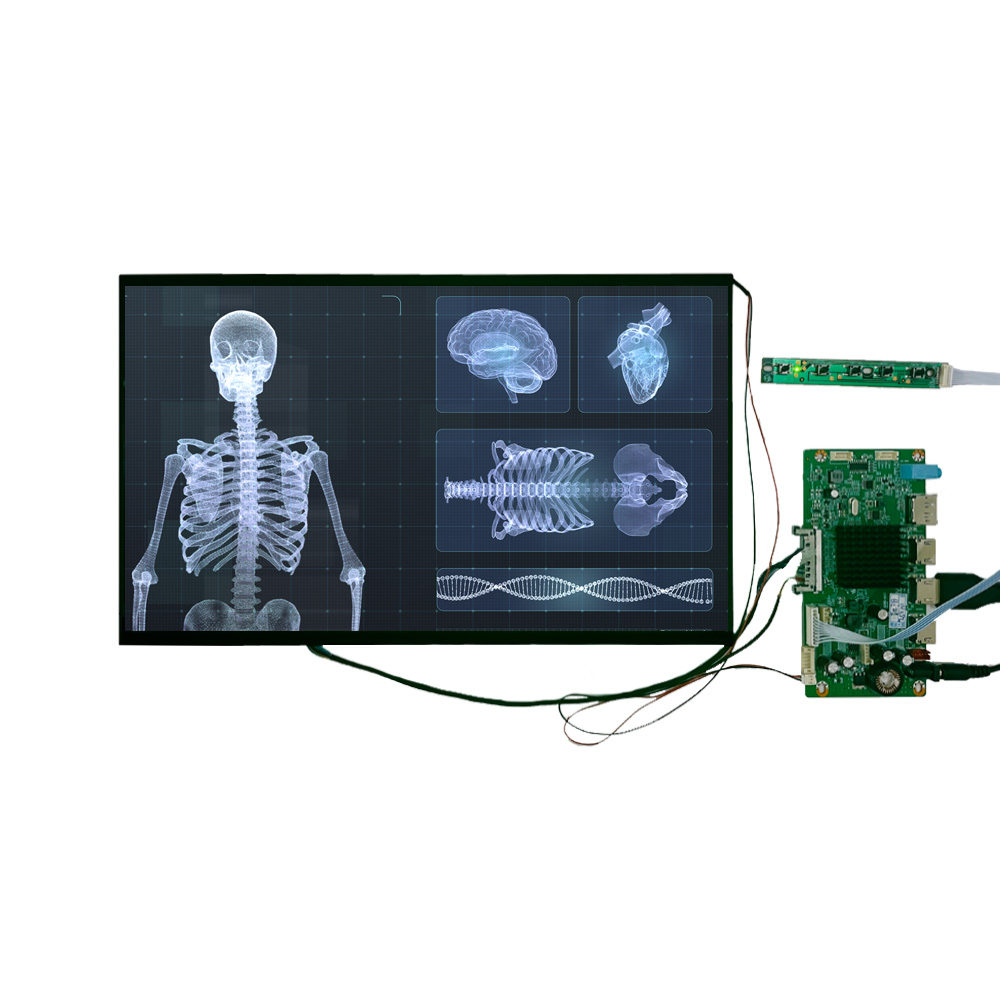 2025-12-0215,6-Zoll 4K Medical Display Module für hochpräzise diagnostische Bildgebung


Products
Commercial LCD Display
Gaming LCD Module
High Resolution Medical Display
Outdoor Display
E-ink LCD Display
Desk VR Monitor
OLED Display
Total Solutions
Service
Custom Touch Screen Solutions
Customized Frames & Protective Cover Glass
LCD Driver Board & Accessory Customization
Contact us
Contact Us
Copyright © 2025 Shenzhen Aptus Technology Co.,Ltd All Rights Reserved.

-
Inquire
- Top