Professional commercial display solution provider

The Rise of UHD OLED Displays: Technical Advancements Driving Tablet and Notebook Innovation
The display industry is undergoing a rapid transformation as Ultra-High-Definition (UHD) OLED technology gains widespread adoption in portable computing. High-performance displays, such as the 15.6-inch 3840×2160 OLED module, are redefining expectations for Tablet PCs and Notebook PCs by combining compact form factors with advanced image quality. This trend is fueled by technological breakthroughs in OLED panel design, resolution density, color accuracy, and interface integration, which collectively enable professional-grade experiences in mobile devices.
High-Resolution OLED Panels: Setting a New Standard
UHD OLED displays are distinguished by their self-emissive pixel technology, which allows each pixel to produce its own light independently. This innovation delivers deep blacks, high dynamic contrast, and a wide color gamut—capabilities that were difficult to achieve with traditional LCD panels. For Tablet PCs and Notebook PCs, these qualities result in more vibrant visuals, accurate color representation, and sharper detail, enhancing everything from creative work to high-definition media consumption. Many manufacturers now integrate the Duobond 15.6-inch UHD OLED display module to achieve professional-grade visual performance in mobile devices.
The 15.6-inch 3840×2160 OLED module exemplifies this evolution, providing 4K resolution in a portable format. By offering a pixel density that exceeds 280 PPI (pixels per inch), the display ensures that text, images, and graphics appear crisp even at close viewing distances—a critical factor for content creators, engineers, and mobile professionals who demand precision.
Fast Response Times and Smooth Visual Performance
Another key technological advantage of OLED panels is their ultra-fast response time, typically around 1ms. This allows for smooth rendering of motion-intensive content, including video playback, animations, and interactive touch inputs. Tablet PCs benefit from this responsiveness when using stylus pens for sketching or note-taking, while Notebook PCs enjoy fluid interaction in video editing and design applications. The Duobond OLED module also reduces motion blur and ghosting, which is particularly valuable for professionals handling high-resolution visuals or complex animation sequences.
Fast response times not only improve visual clarity but also enhance user experience in hybrid devices, where users switch between tablet and notebook modes. Motion-intensive applications, such as video editing, interactive design software, and even multimedia presentations, perform seamlessly on these displays, providing professionals with reliable, precise visual feedback.
Color Accuracy and Wide Color Gamut
For professional computing, color accuracy is paramount. OLED displays like the 15.6-inch UHD module support a wide color gamut, covering nearly the full Adobe RGB or DCI-P3 spectrum depending on calibration. This ensures that colors are represented faithfully, which is critical for content creation, digital marketing, and video production.
Accurate color reproduction allows users to rely on the display as a true reference tool, whether they are editing photos, grading video, or developing graphical assets. When integrated into Tablet PCs and Notebook PCs, these OLED modules provide a high-fidelity workspace that reduces the need for external reference monitors, simplifying mobile workflows.
Energy Efficiency and Adaptive Display Performance
While OLED displays offer superior image quality, they also incorporate energy-efficient design principles. Since each pixel emits light independently, dark scenes consume less power than on traditional backlit LCDs. This contributes to longer battery life for portable devices, a critical factor for professionals relying on Tablet PCs and Notebook PCs in mobile or remote work scenarios.
Furthermore, OLED modules can adaptively adjust brightness and color output based on content, balancing visual performance with power efficiency. This combination of high-quality imagery and optimized energy use makes OLED an attractive solution for portable computing devices where both performance and battery life are essential.
Interface and Integration Advancements
Modern UHD OLED modules employ high-bandwidth interfaces, such as eDP (Embedded DisplayPort), which enable stable transmission of 4K content at high refresh rates. This allows Tablet PCs and Notebook PCs to handle intensive visual tasks without lag or signal degradation. The integration of these modules also supports thin and lightweight device designs, allowing manufacturers to develop sleek and portable solutions without compromising display performance. Users benefit from a device that combines UHD visual clarity with ergonomic portability, making it suitable for professional, creative, and entertainment applications.
The Future of OLED in Portable Computing
As OLED manufacturing technology continues to advance, we can expect even higher brightness levels, improved color accuracy, and enhanced energy efficiency. These improvements will expand the applicability of OLED panels in next-generation Tablet PCs and Notebook PCs, enabling devices that deliver true professional-grade performance in mobile formats.
Industry analysts predict that UHD OLED integration will continue to grow as more users demand high-resolution, accurate, and responsive displays. This trend reflects a broader shift toward premium visual experiences, not only for creative professionals but also for students, remote workers, and mobile professionals who require uncompromised performance on the go.
The 15.6-inch 3840×2160 OLED module is already influencing design trends in portable computing by setting a benchmark for clarity, color accuracy, and responsiveness. Its adoption demonstrates that OLED technology is no longer limited to luxury consumer devices—it is becoming a core component of professional and high-end mobile computing solutions.
In summary, UHD OLED displays are reshaping the landscape of Tablet PCs and Notebook PCs, offering technological advantages that include high resolution, fast response times, wide color gamut, and energy efficiency. As adoption grows, these displays will continue to elevate portable computing, enabling users to experience professional-grade visuals anytime, anywhere.
Recommended reading
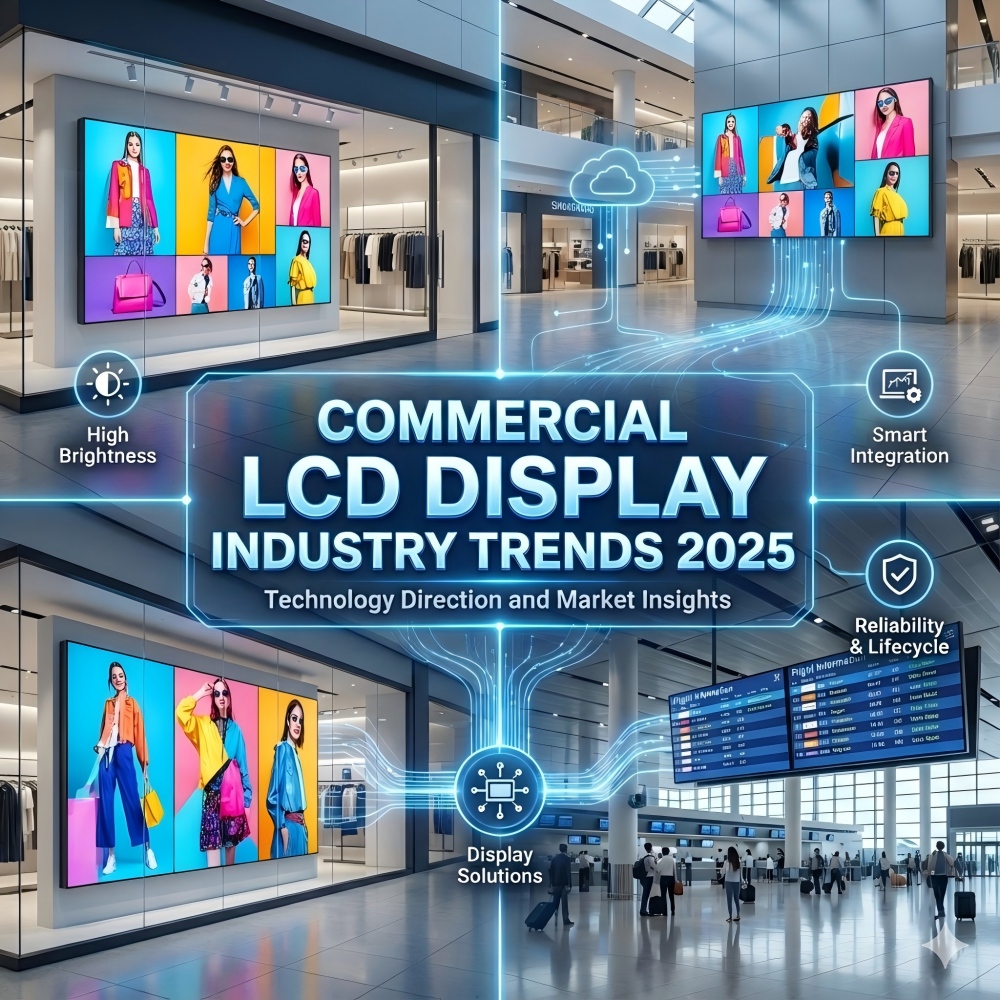 2025-12-29Commercial LCD Display Industry Trends and Market Insights for 2026
 2025-12-23Why Custom Commercial Displays Are Becoming Standard in Modern Systems
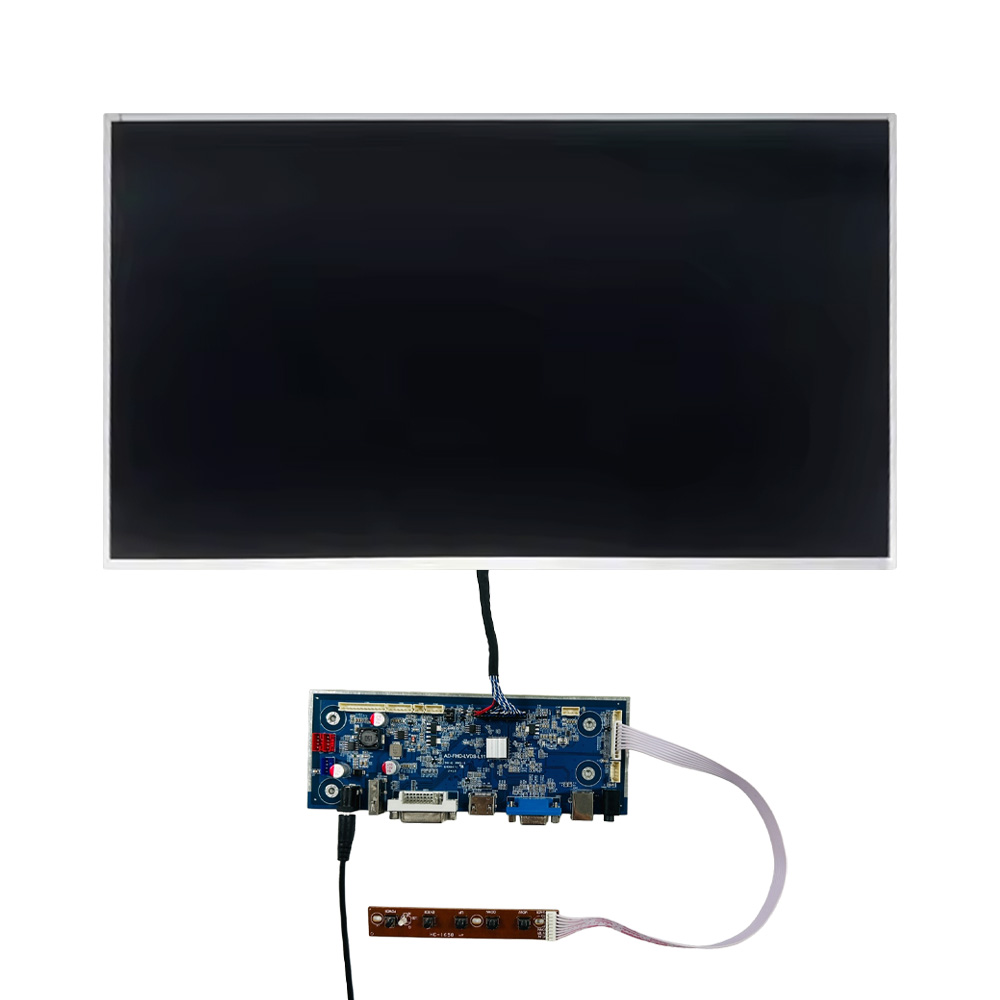 2025-12-17Advancing Outdoor Visual Systems with High-Brightness, Wide-Temperature LCD Technology
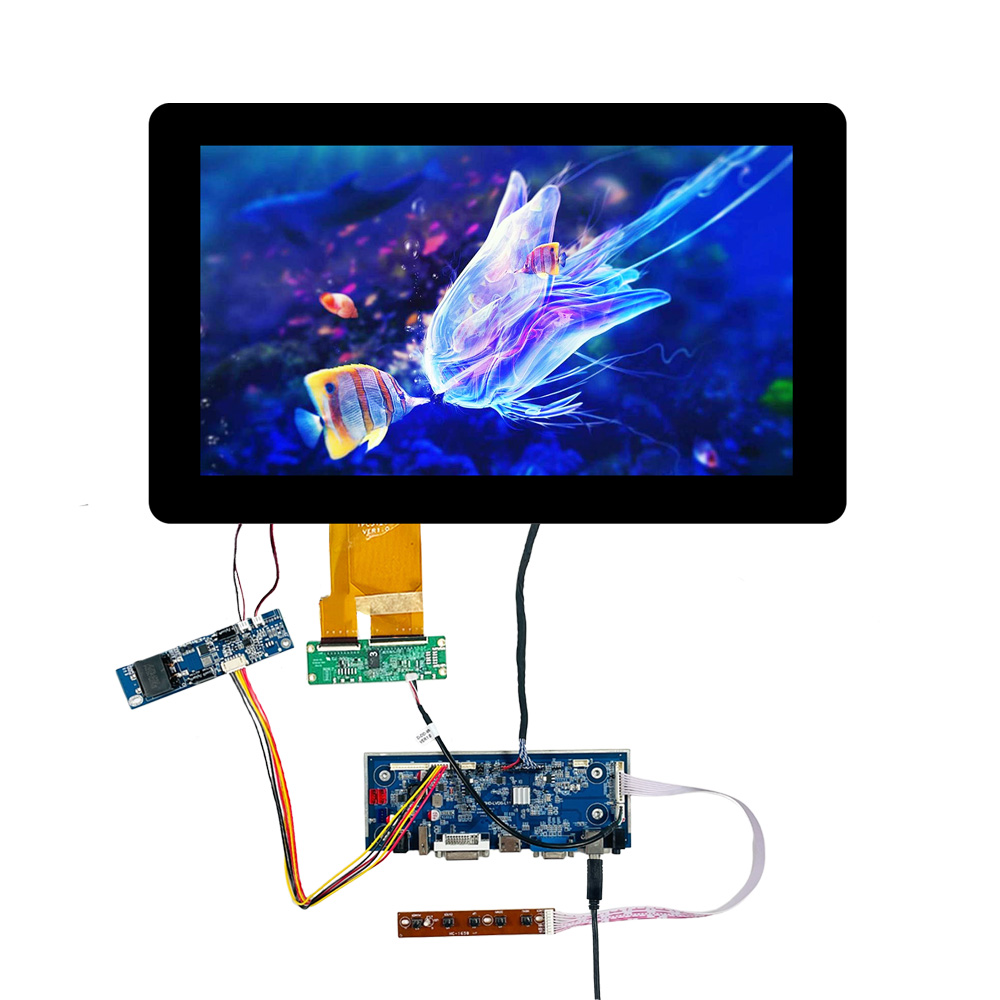 2025-12-10Outdoor Commercial LCD Modules for Wide Temperature High-Brightness Advertising Displays
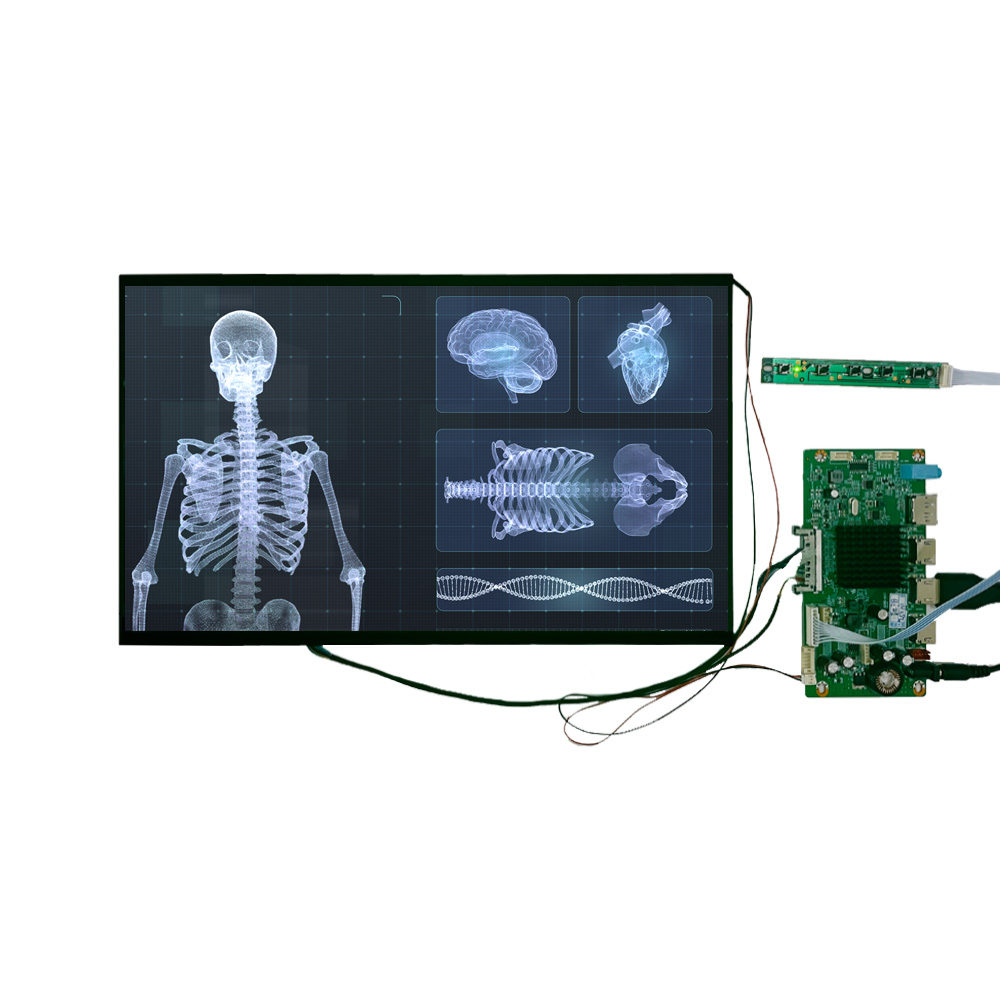 2025-12-0215,6-Zoll 4K Medical Display Module für hochpräzise diagnostische Bildgebung


Products
Commercial LCD Display
Gaming LCD Module
High Resolution Medical Display
Outdoor Display
E-ink LCD Display
Desk VR Monitor
OLED Display
Total Solutions
Service
Custom Touch Screen Solutions
Customized Frames & Protective Cover Glass
LCD Driver Board & Accessory Customization
Contact us
Contact Us
Copyright © 2025 Shenzhen Aptus Technology Co.,Ltd All Rights Reserved.

-
Inquire
- Top