Professional commercial display solution provider

Shaping the Future of Portable Computing: UHD OLED Displays in Tablet PCs and Notebook PCs
The portable computing landscape is evolving rapidly, driven by the demand for devices that deliver professional-grade performance in compact formats. Among the innovations leading this shift are UHD OLED displays, specifically the 15.6-inch 3840×2160 modules, which are increasingly integrated into both Tablet PCs and Notebook PCs. These displays are redefining user expectations by offering a combination of ultra-high resolution, precise color reproduction, and responsive performance, all in lightweight, energy-efficient devices.
Expanding User Experience in Tablet PCs
Tablet PCs are no longer limited to casual media consumption or basic note-taking. The integration of UHD OLED displays is transforming them into powerful tools for creative professionals and mobile workers. Artists, designers, and content creators can now rely on tablets for tasks that traditionally required desktop-grade workstations, thanks to the high color accuracy, deep contrast, and detailed imagery provided by OLED technology.
For instance, professionals using the Duobond 15.6-inch UHD OLED display module can evaluate subtle color gradients, fine textures, and high-resolution visuals directly on their tablet screens, eliminating the need for external reference monitors during on-site projects or presentations. The improved responsiveness of OLED displays also enhances touch interactions, making stylus input more fluid and precise, which is critical for design and annotation work.
Beyond creative applications, UHD OLED panels elevate the everyday user experience. Multimedia content such as 4K videos, interactive apps, and presentations benefit from vivid colors, smooth motion rendering, and consistent image quality, even at wide viewing angles. This combination of features ensures that tablet users enjoy professional-level visuals in a portable form factor, ideal for travel, remote work, or field applications.
Notebook PCs: Professional Mobility Reimagined
Notebook PCs have traditionally aimed to balance portability with performance, but UHD OLED displays are redefining what is possible in high-end laptops. The 15.6-inch 3840×2160 module allows notebooks to offer desktop-grade visual fidelity while remaining lightweight and energy-efficient.
Professionals working with video production, 3D modeling, or data visualization can access ultra-high-resolution displays that render complex visuals with precision. Notebook users integrating the Duobond OLED module experience enhanced clarity in charts, graphs, and media, enabling efficient decision-making and collaboration in mobile work environments. Additionally, OLED energy efficiency ensures longer battery life, allowing users to maintain productivity during extended travel or fieldwork.
Driving Innovation Through Hybrid Devices
The trend toward hybrid devices that function both as tablets and notebooks is gaining momentum. UHD OLED displays are ideally suited to these form factors, as they deliver high-resolution, color-accurate visuals in thin, lightweight panels. This enables seamless transitions between tablet and notebook modes, allowing users to draw, annotate, or present content without sacrificing visual fidelity.
Hybrid devices powered by UHD OLED technology support more interactive and collaborative workflows. For instance, a designer can sketch ideas on tablet mode and immediately share them in notebook mode with colleagues, while preserving accurate colors and detailed imagery. This flexibility exemplifies how OLED technology is not only improving display quality but also enhancing the way users interact with portable computing devices.
Industry Trends: From Niche to Mainstream
While UHD OLED displays were initially a premium feature for niche devices, they are increasingly becoming mainstream in high-end portable computing. Advancements in manufacturing processes, panel consistency, and interface technology, such as eDP, have reduced production constraints, allowing more Tablet PCs and Notebook PCs to adopt these modules.
This shift reflects broader consumer expectations. Users now demand devices that combine portability, visual fidelity, and interactivity, whether for professional work, multimedia consumption, or education. The adoption of 15.6-inch UHD OLED modules in these devices demonstrates the industry's commitment to meeting these demands while enabling innovative product designs and improved user experiences.
The Future of Portable Visual Computing
Looking ahead, UHD OLED technology will continue to influence the evolution of Tablet PCs and Notebook PCs. Future modules are expected to offer higher brightness, improved color accuracy, wider color gamuts, and enhanced energy efficiency, empowering devices to support professional workflows, immersive media experiences, and advanced interactive applications.
The modularity and flexibility of OLED panels also enable manufacturers to explore new device form factors, including foldable, detachable, or dual-screen configurations, while maintaining high visual fidelity. As a result, the 15.6-inch 3840×2160 OLED module is not just a display component—it is a central element in the design of next-generation portable computing devices, shaping how users work, create, and consume content on the go.
In conclusion, UHD OLED displays are transforming the Tablet PC and Notebook PC landscape by enhancing visual performance, expanding functionality, and enabling innovative device designs. As adoption grows, these displays will continue to elevate the portable computing experience, offering professional-grade performance and immersive visuals anytime, anywhere.
Recommended reading
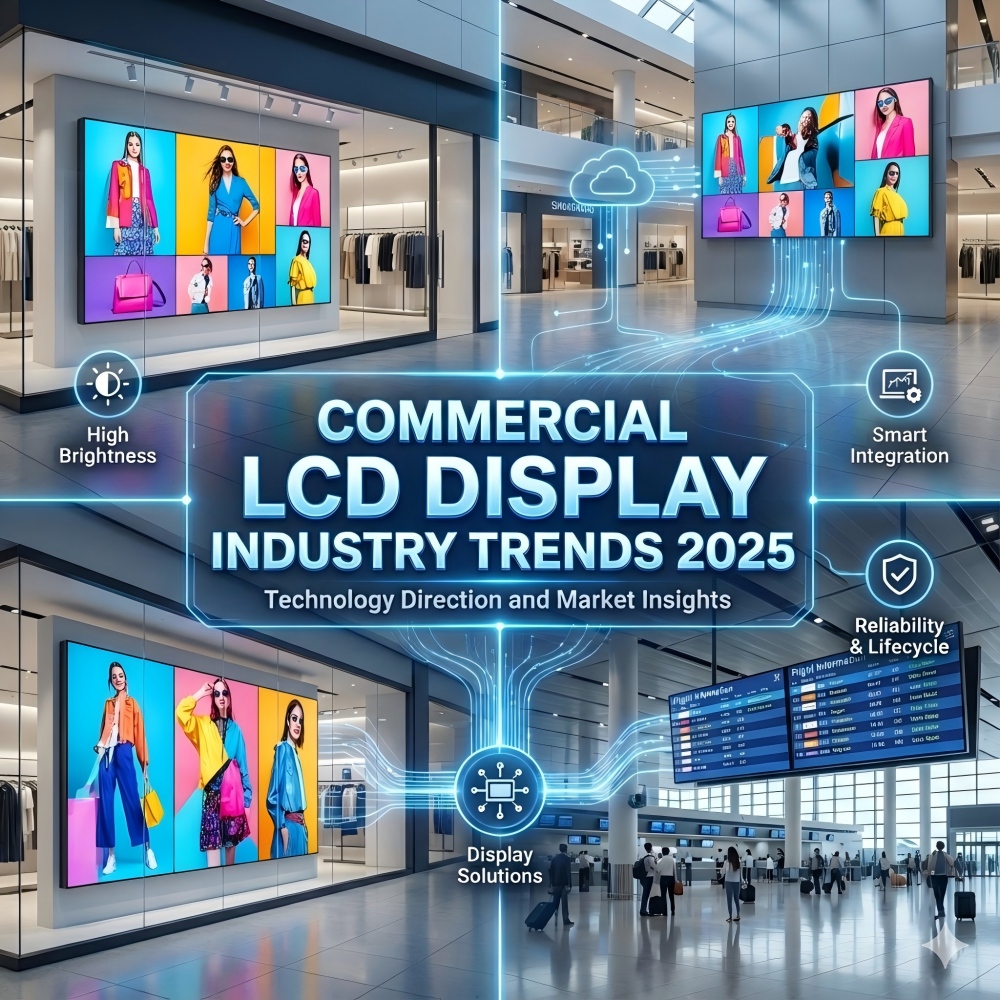 2025-12-29Commercial LCD Display Industry Trends and Market Insights for 2026
 2025-12-23Why Custom Commercial Displays Are Becoming Standard in Modern Systems
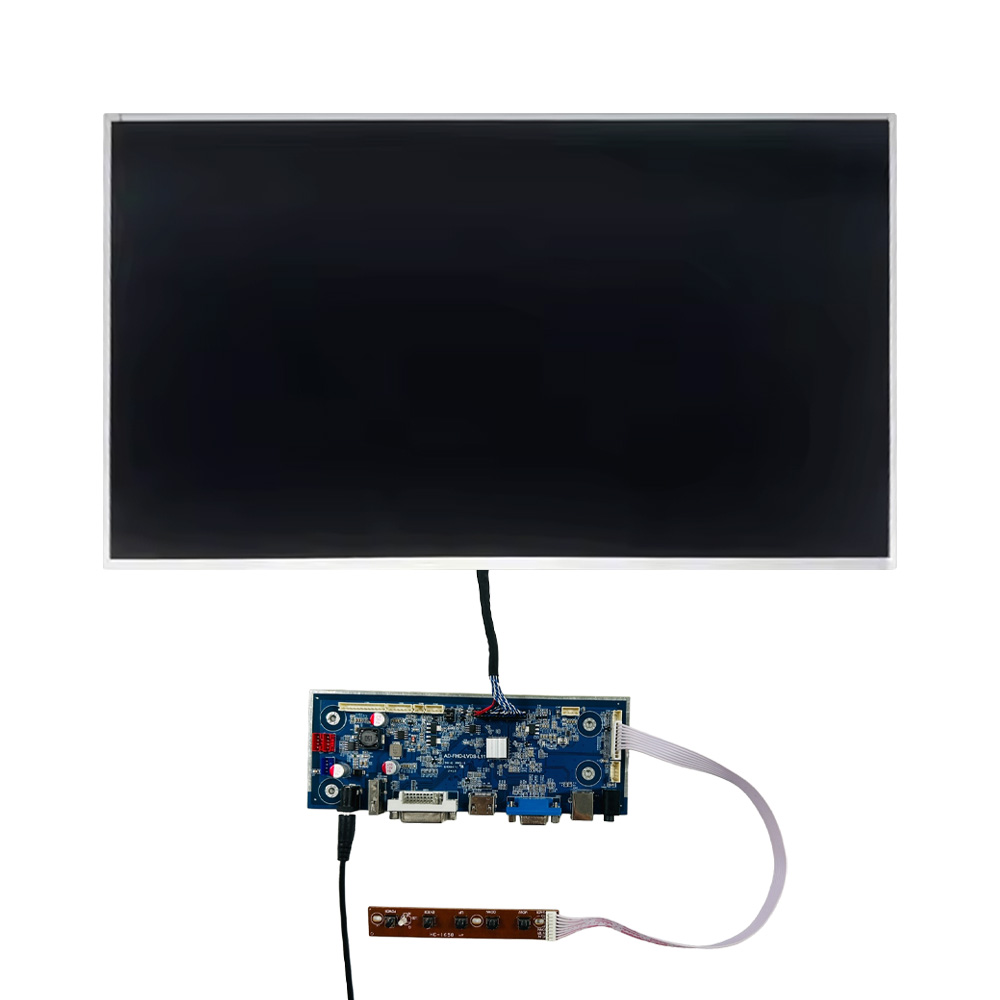 2025-12-17Advancing Outdoor Visual Systems with High-Brightness, Wide-Temperature LCD Technology
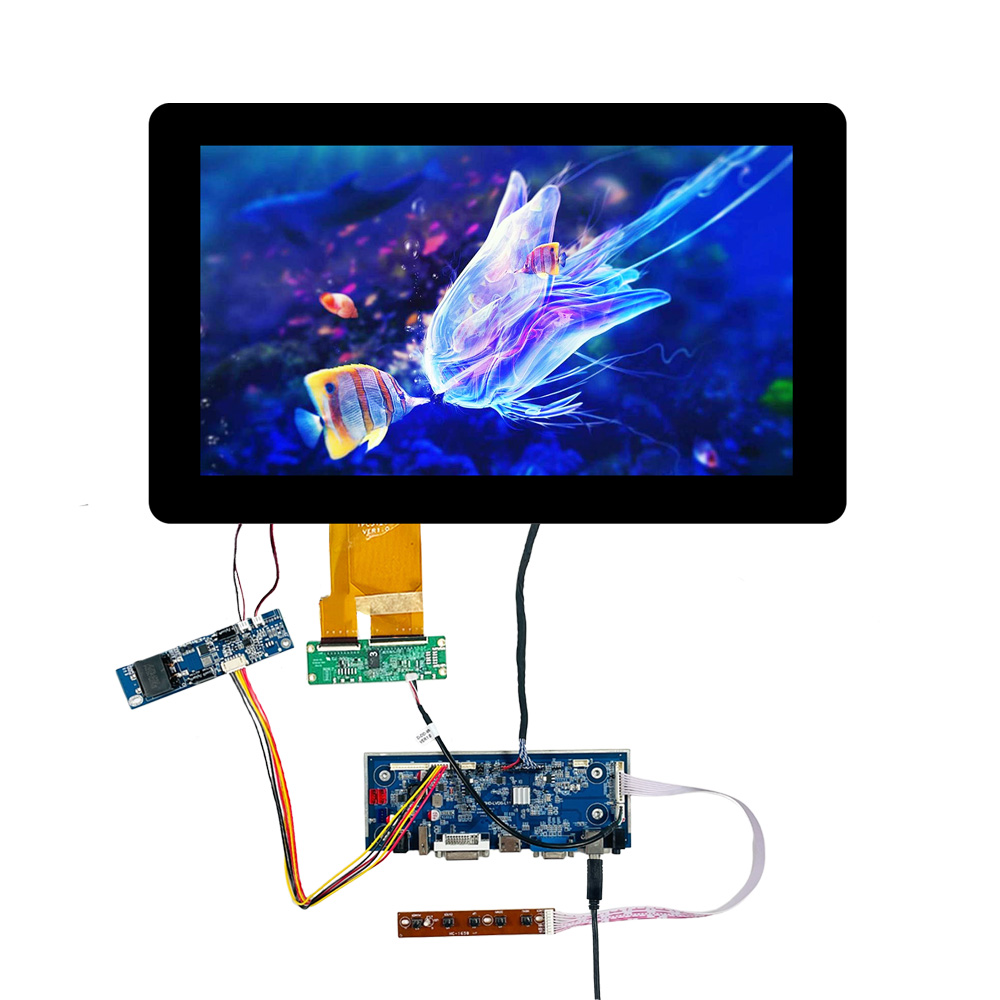 2025-12-10Outdoor Commercial LCD Modules for Wide Temperature High-Brightness Advertising Displays
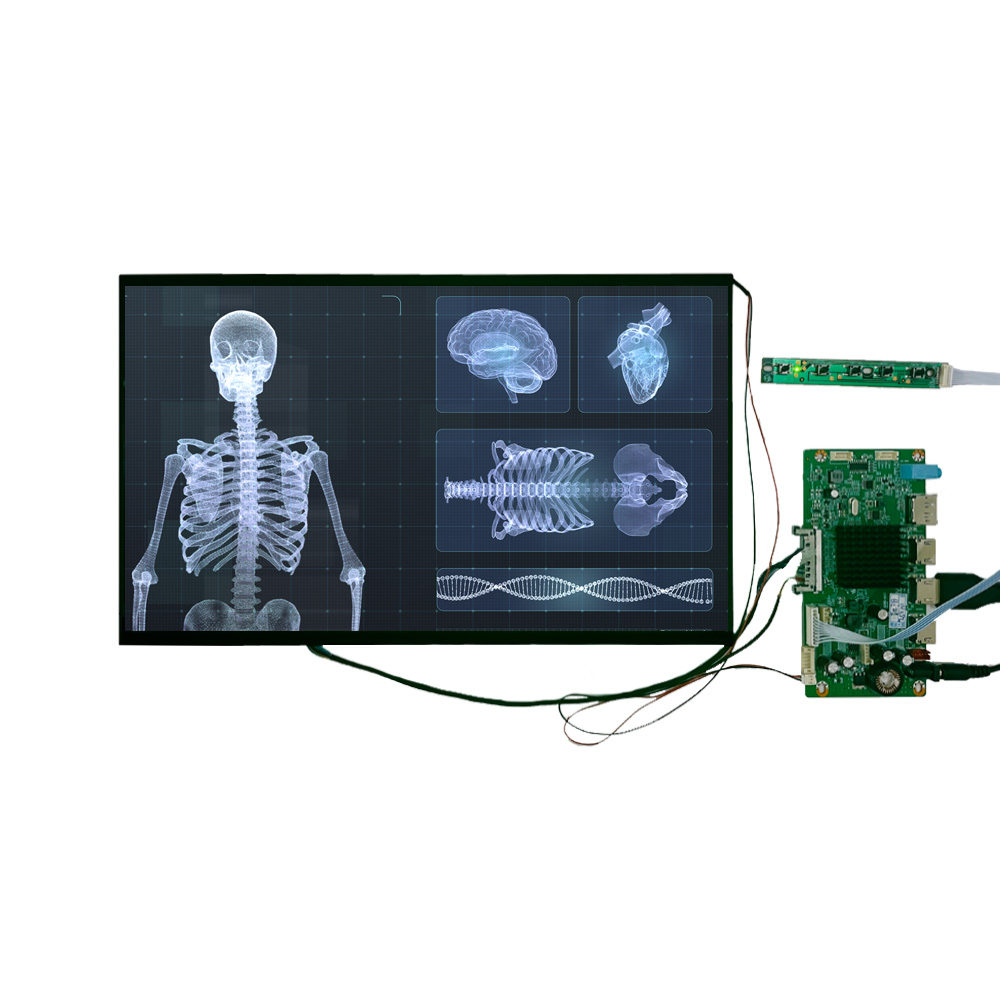 2025-12-0215,6-Zoll 4K Medical Display Module für hochpräzise diagnostische Bildgebung


Products
Commercial LCD Display
Gaming LCD Module
High Resolution Medical Display
Outdoor Display
E-ink LCD Display
Desk VR Monitor
OLED Display
Total Solutions
Service
Custom Touch Screen Solutions
Customized Frames & Protective Cover Glass
LCD Driver Board & Accessory Customization
Contact us
Contact Us
Copyright © 2025 Shenzhen Aptus Technology Co.,Ltd All Rights Reserved.

-
Inquire
- Top